 The short answer to this is, “no.” No matter what type of thermostat you have and how professionally installed it is, it cannot directly prevent furnace problems. What the right thermostat can do, however, is help you use your furnace more efficiently, preventing high energy costs—which is just as important!
The quality of your thermostat and how you use it plays a huge role in saving energy. This is true not only now, in the winter time, but also when temperatures warm up in the summer. Read on to learn more about the relationship between your heating, and cooling, system and the thermostat that contols it, while learning what your thermostat options are, should you decide to upgrade.
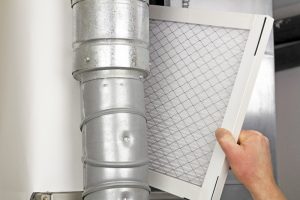 You may have read in one of our other blog posts that we recommend changing your air filter every 1-3 months. We aren’t just saying this because it’s a nice thing to do—it will actually help you get the most effective and efficient use out of your heating and cooling systems as possible. And consider how much we use either one of these HVAC systems, chances are that you’d like to do anything you can to save money when you use them, and prevent repairs.
 How do you prepare your heating and cooling systems for their respective seasons? Without argument, the best way to do this is by scheduling routine system maintenance. Maintenance tune-ups give our pros the chance to fully inspect your system, making any adjustments needed, cleaning the unit, and alerting you to any repair needs that exist. The best time to have this done is typically in the fall for your heater and in the spring for your air conditioner—but it’s actually more important that you have in done regularly, no matter the time of year.
 The short answer to this is “yes!” But there are definitely some factors to consider, which we’ll get to below.
 We may not get the frigid temperatures here in Lawrenceville that other parts of the country gets, but given how hot and muggy our summers get, our winters can certainly seem pretty chilly! As a result, we’re always grateful for the use of effective and efficient heating systems. But is yours working as efficiently as it could be?
 When winter rolls around, the last thing you want to do is worry that your heating system can break down at any moment, right? Of course, the best way to avoid this is by scheduling routine maintenance for your heater. During this service, our technicians comprehensively inspect and clean your system, noting any signs of disrepair and alerting you to them.
 Here’s what would happen in a perfect world. You’d turn on your furnace, and a few minutes later you’d hear the familiar whirring of the fan within the system. The reason it takes a few minutes is because the heat exchangers actually have to heat up from the burners, and the fan won’t start going until that happens. Once you hear that whirring, though, you’re satisfied knowing that comfortable warmth is about to come flowing into your home through the vents.
 With winter almost upon us, right now is not the most fun time to be shopping for a new heater. Still though, here you are. You probably wouldn’t be reading this post if you weren’t already in need of a new heating system. And you’re probably pretty tempted to just go run out and buy the biggest one you can afford.
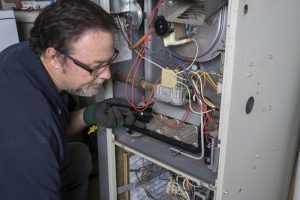 Our short response to this is going to be, “tune-ups are vital to ensuring that your gas furnace doesn’t become dangerous.” Keep reading to learn more.
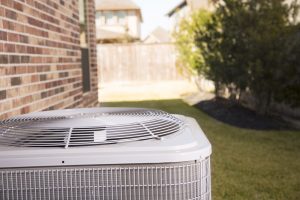 You may still be using your air conditioner a little bit here and there, since fall can certainly pull out unexpected heat waves. But in the coming weeks, we’ll be just about ready to turn off our AC system in favor of our heaters, until next spring.