 The short answer to this is “yes.” But don’t worry, we’ll elaborate below.
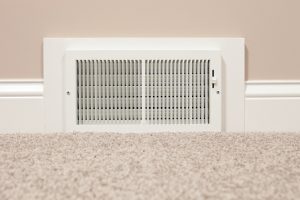
There are many factors that contribute to good indoor air quality. Yes, the temperature of your home is one aspect, but when we talk about indoor air quality, we’re talking about the presence (or absence) of contaminants, allergens, and pollutants, as well as how stale your air may be, and the relative humidity levels in your home. Today we’re going to talk about that last point.
Humidity is the excess moisture that tags along with high summer temperatures. This moisture makes us uncomfortable, for starters. The only way to lower that humidity is to lower the temperature. So, you turn on your AC system and set it to the lowest possible temperature, making it work harder and harder as summer progresses.
Is this really the right way to handle it though? If you worked to improve your indoor air quality by getting a system that handled humidity the right way, could you help your air conditioner out? Yes! Keep reading to learn more.
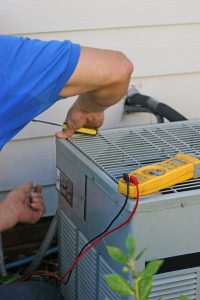 The short answer to this is “no.” It’s important that you have maintenance done for your air conditioner every year (or every 6 months, in the case of a heat pump) but frequency and consistency are more important than what time of the year you have it done.
 It’s that time of year again—there are two seasons where HVAC professionals are the busiest. Winter, and summertime.
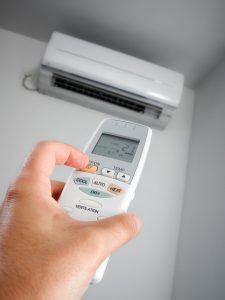 Ductless systems have been increasingly growing in popularity, and for good reason. Rather than operating through a network of ducts connected to an indoor air handler and evaporator unit, ductless units break up the indoor unit and blower fans to distribute air through handlers that operate independently of each other—meaning the temperature settings can be different for each air handler.
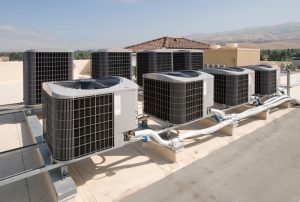 As summer quickly approaches, there are probably many things for you to focus on with your business, such as ensuring that your customers, employees, and/or tenants are satisfied, and that your building is a comfortable space.
 Did you know that summertime is the most likely season for your AC system to call it quits, or at least experience problems? It makes sense when you think about it—it’s getting much heavier use than it does in spring or fall. And all mechanical systems experience wear and tear.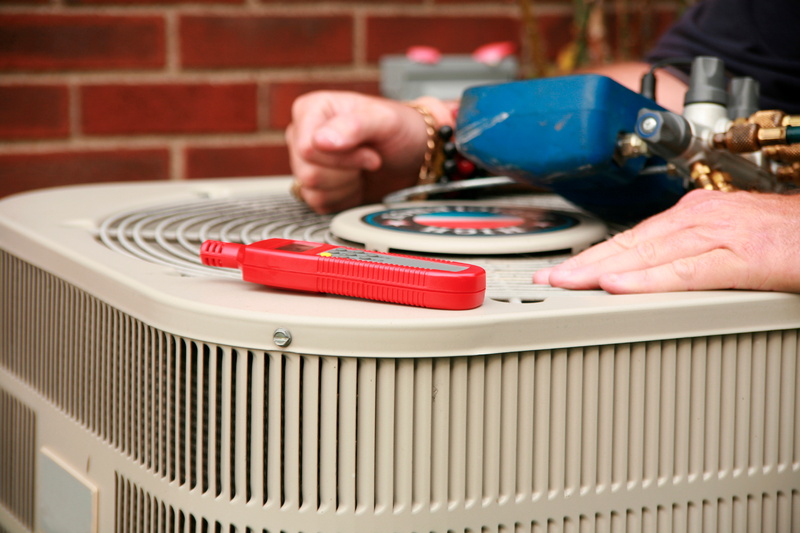
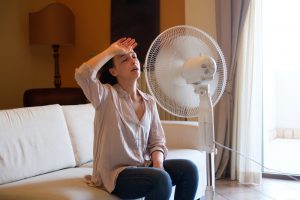
 As summer approaches, so does humidity, and along with humidity comes some byproducts, like the development of mold and mildew. These can cause significant ill health effects, especially for people who already suffer from allergies or asthma.