A gas furnace is an effective and reliable way to heat your home. Because of the cost of natural gas as compared to electricity, it tends to be the more affordable option, as well. And as technology has improved, gas furnace efficiency has increased significantly. But what people sometimes wonder is just how safe it is to use a gas-burning furnace to heat their home.
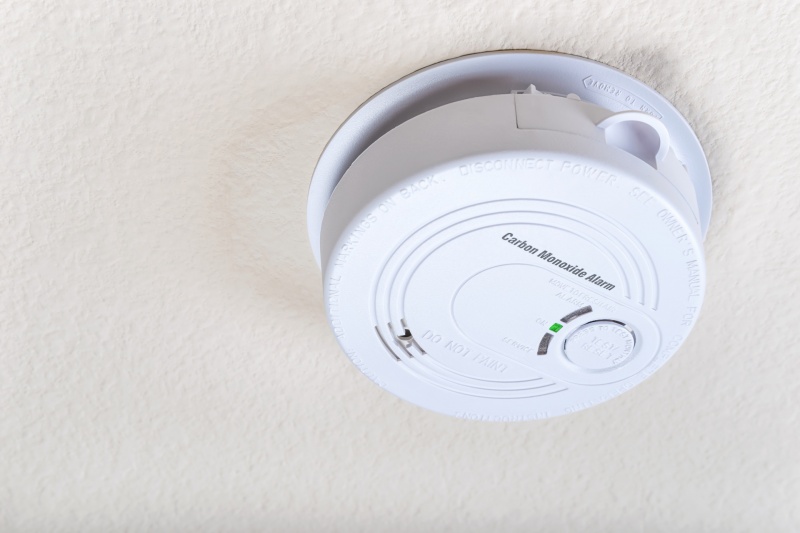
On the whole, the answer is a simple yes. Driving a car, an everyday thing you might not consider risky, is thousands of times more dangerous than having a gas furnace. The improvements in technology that have allowed efficiency to go up have also improved safety. And as long as you have working carbon monoxide detectors and make sure your furnace receives routine maintenance, it’s perfectly safe. If you want to know exactly how to best ensure your safety when you have a gas furnace, though, you should learn more about your furnace’s heat exchanger function.
What Is a Heat Exchanger in a Furnace?
Your gas furnace’s heat exchanger is the most critical piece of the system in multiple ways. First, it has the critical function of transferring the heat from the combusted fuel into air that can be blown into your home, so without it, there would be no heat. Second, it is the essential component that prevents carbon monoxide from contaminating your home. If you’re unsure whether damage may be developing, it’s important to recognize signs your furnace needs repair to prevent safety risks.
The combustion gases are contained within the completely enclosed heat exchanger, which gets very hot. The blower conducts air over and around the heat exchanger, raising the temperature of the air before it is blown through the ducts.
What Happens If a Furnace Heat Exchanger Cracks?
By the very nature of its job, a heat exchanger goes through extreme temperature fluctuations. These shifts from hot to cold mean that it expands and contracts constantly, and over the course of many years, this can start to degrade the metal. As your system ages, understanding how long a furnace lasts can help you anticipate potential issues before they become serious. A crack in your heat exchanger could be extremely small, but when heated and expanded, it could open wide enough to allow carbon monoxide to leak out. Carbon monoxide is dangerous to breathe and can even be fatal.
Signs Your Furnace Heat Exchanger Is Cracked
There are several things that can help you keep track of potential heat exchanger problems.
- Age: A heat exchanger almost never cracks unless a furnace is over ten years of age, and it’s even more likely for a furnace to be more than fifteen years old when it occurs. Your maintenance technician can help you decide when it’s time to consider a new furnace in Suwanee, GA.
- Noise: A clicking noise from the furnace (not your ducts) when the heating cycle ends can be caused by the edges of the crack striking each other when the metal cools and contracts. Although this sound can be caused by other, less-serious issues, you should call for emergency repairs rather than take any risks.
- Functionality: With a crack in the heat exchanger, there will be a decline in your furnace’s ability to heat your home.
- Smell: You may notice an odor of sulfur as gasses escape from the heat exchanger. This smell is a serious sign of a health hazard. You should exit your home and call for emergency repairs.
- Alarms: If your carbon monoxide detectors go off, evacuate your home immediately.
If you have any concerns about the age, safety, or functionality of your furnace, we would be happy to hear from you.
Frequently Asked Questions
Question: What is a heat exchanger in a gas furnace?
Answer: A heat exchanger is the component inside a gas furnace that transfers heat from the combustion process to the air that circulates through your home. It keeps harmful combustion gases separate from the breathable indoor air while allowing warm air to flow through your ductwork.
Question: Why is a cracked heat exchanger dangerous?
Answer: A cracked heat exchanger can allow toxic gases, including carbon monoxide, to leak into your home’s air supply. Carbon monoxide is colorless and odorless, making it especially dangerous. Exposure can lead to serious health issues and, in severe cases, can be life threatening.
Question: What are the warning signs of a cracked heat exchanger?
Answer: Common warning signs include strange odors, visible cracks or rust on the furnace, soot buildup, a yellow or flickering burner flame, unusual noises, and carbon monoxide detector alerts. Reduced heating performance may also indicate a serious internal issue.
Question: Can I keep using my furnace if the heat exchanger is cracked?
Answer: No, it is not safe to continue running a furnace with a cracked heat exchanger. Doing so increases the risk of carbon monoxide exposure and further system damage. The furnace should be shut off and inspected by a licensed HVAC professional immediately.
Question: How can homeowners prevent heat exchanger problems?
Answer: Regular furnace maintenance is the best way to prevent heat exchanger issues. Annual inspections, timely filter changes, and installing carbon monoxide detectors help ensure safe operation. Addressing minor furnace issues early can also prevent cracks from developing over time.
Reach out to Wall Heating & Air Conditioning, Inc. for all your heating needs.