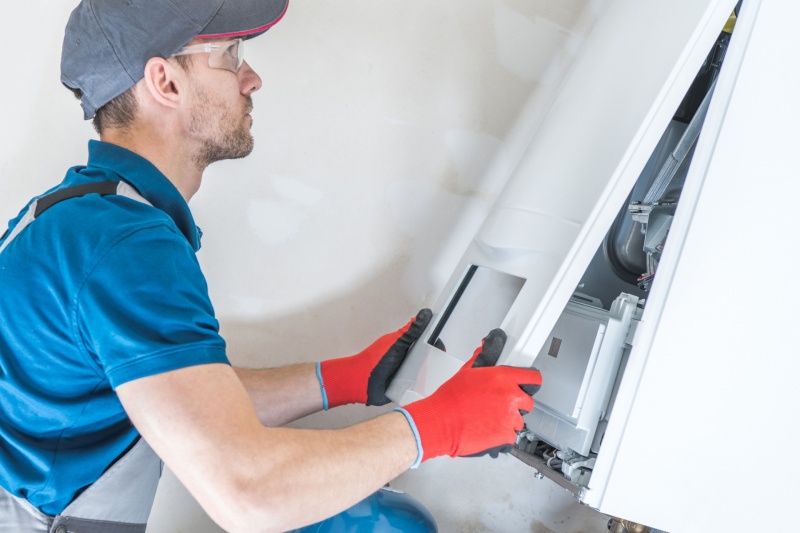
Living in Georgia, we’re known a lot more for our hot and humid summers than we are for our chilly winters, but that doesn’t mean the colder months don’t pack quite the punch! That said, it stands to reason that you really want your heater to work as effectively and efficiently as possible while keeping your family comfortable. This means that you’ll want to schedule routine professional heating maintenance each year as part of your routine maintenance to keep your system running efficiently and prevent small issues from becoming major problems. We typically recommend this service in the fall, before the heating season begins and before the cooler temps arise, but this is definitely a case of “better late than never,” even if you’re reading it right smack in the middle of winter. Comprehensive HVAC services, including ac services, air conditioning services, and cooling solutions, are essential for maintaining comfort in every Lawrenceville home.
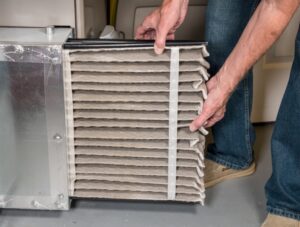
There are some very basic heating maintenance tasks you can do on your own, and that you should do on your own. This includes filter replacement replacing the furnace or heat pump air filter every 1-3 months in addition to ensuring that the space around your heater’s outdoor unit is clean and clear of debris and clutter. For a full range of services in Lawrenceville, it’s important to rely on professional installation, plumbing, and electrical services to ensure your system operates safely and efficiently.
This is just the beginning, though. A much more thorough maintenance session is required if you expect your heating system to continue to operate as powerfully and efficiently as it is meant to. When selecting a furnace or planning for a new HVAC system installation, evaluating factors such as home size, existing ductwork, and energy efficiency goals is crucial. Read on to learn more!
A new HVAC system is a significant investment, and comprehensive HVAC services address both heating and cooling needs for your family’s health and comfort. Wall Heating & Air Conditioning has Lawrenceville covered with reliable services for all aspects of home comfort, including plumbing and electrical services.
Continue Reading
Tags: HVAC Company, Loganville
Posted in Heating | Comments Off on What Happens During Professional Heating Maintenance?
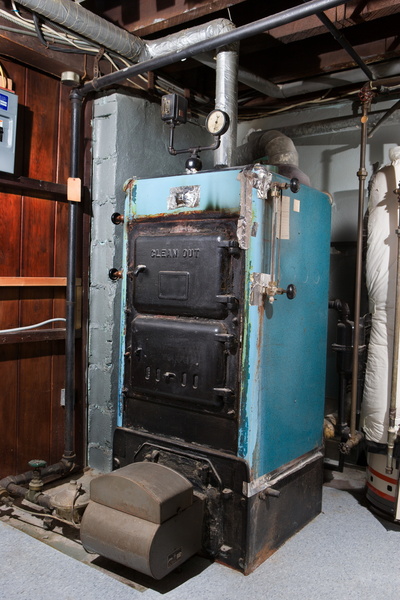

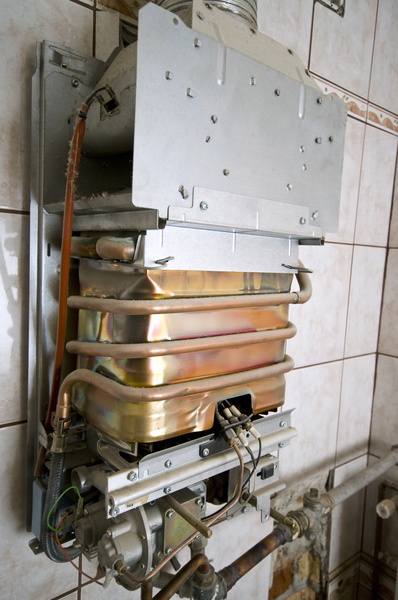
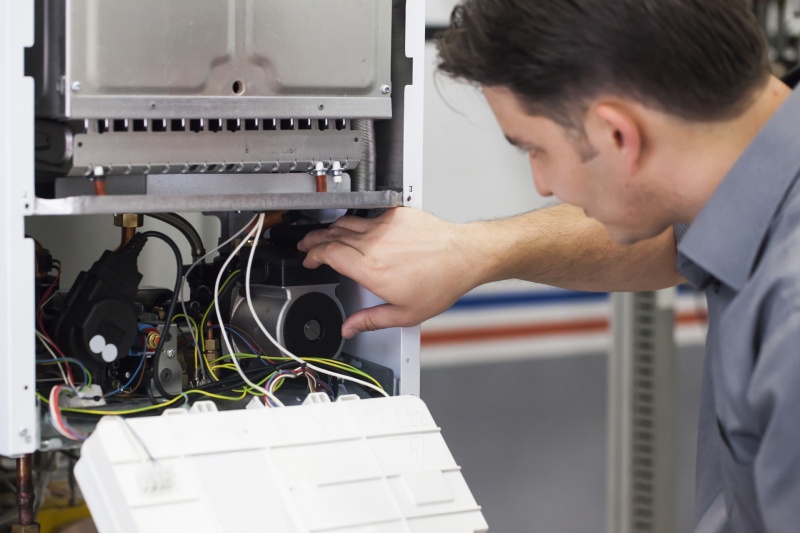
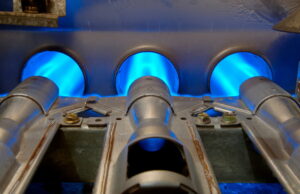 Isn’t it great to know that whenever you need warmth and comfort in your home during the winter, all you need to do is adjust the thermostat and your furnace just switches on and starts sending heated air through the ductwork into the various rooms of your home?
 If you’re utilizing a furnace for your home comfort in the winter, then you know just how nice it can be when the system kicks on and provides you with all the heat you and your family need. But if something goes amiss with your heater, it can be panic-inducing. Sure, we don’t have to worry about temperatures that get too arctic in our climate, but compared to our summers, our winters get pretty darn cold!
 Think about last winter.
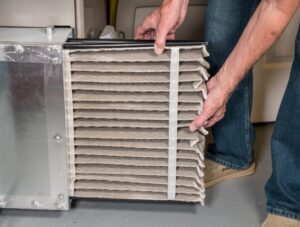 There’s a pretty common misconception when it comes to the air filter inside an HVAC system. Many homeowners assume that this air filter is in place to protect their indoor air quality. While these air filters certainly don’t hurt your indoor air quality, their purpose is actually to protect the interior components of your HVAC system itself from dust, dirt, and other debris that can get inside and harm its sensitive components. The air filter, then, needs to be changed on a regular basis–more on this below!