We’re just about in the middle of the coldest time of the year. Now is no time to be stuck with a heater in disrepair, right? Though, if you’ve opened up a blog post about gas furnace installation or HVAC system replacement, there’s a good chance yours is. We totally get the temptation to rush into this purchase and installation, you likely would be fine with hiring anyone just to get your home gas furnace and HVAC system comfort back.
We really have to urge against this, however. There are a number of reasons you should only ever trust a professional for a job as big as gas furnace installation. There’s a lot of work that goes into it! Proper new furnace installation requires expertise to ensure the system operates safely and efficiently. More than you may even realize, and that work contributes to your comfort, heating efficiency, and your safety. The installation process of a gas furnace requires specialized training and tools, making it essential to rely on experienced professionals familiar with electrical systems, fuel lines, and thermostat calibration.
Keep reading as we uncover 3 important reasons you should trust a pro for your furnace installation, specially if a new furnace is your next upgrade. This is essential to ensure you are satisfied with the installation, and there are several important considerations when choosing a professional for new furnace installation upgrading your heating, and reducing your cost of operation.
Why should you hire a professional for new furnace installation or replacement?
- Removing the old furnace requires proper disconnection, safety checks, and precise alignment for the new unit
- Gas lines, ductwork, electrical wiring, and power connections must be installed accurately to ensure safe, efficient operation
- Post-installation testing is essential to verify airflow, combustion safety, and overall system performance
Types of Furnaces
When it’s time to replace your old furnace or install a new system, understanding your options is key to making the best choice for your home’s comfort and efficiency. The most common types of furnaces found in homes today are gas furnaces, oil furnaces, and electric furnaces, each with its own set of benefits and considerations.
Gas furnaces, which use natural gas or propane as fuel, are the top choice for many homeowners thanks to their impressive efficiency and cost-effectiveness. Modern gas furnaces come in a variety of models, including single-stage, two-stage, and advanced modulating units. High efficiency furnaces, especially those with AFUE ratings of 90% or higher, are designed to deliver consistent heating, minimize cold spots, and provide long term savings on your energy bills. If you’re upgrading your entire HVAC system, it’s important to ensure your new furnace is compatible with your existing air conditioner or heat pump. An experienced HVAC contractor can help you select the right model number and size for your square footage, ensuring your new furnace installation is a perfect fit for your home.
Oil furnaces are another option, particularly in areas where access to natural gas is limited. While oil furnaces can provide reliable heating, they tend to be less efficient and more expensive to operate than gas furnaces. Electric furnaces, on the other hand, are often chosen for smaller homes or as a backup heat source. However, they can lead to higher operating cost compared to gas units, especially in colder climates.
When selecting a new furnace, homeowners should consider several important factors: the size and insulation of their home, their budget, desired efficiency, and the potential for long term savings. Look for high efficiency furnaces with strong AFUE ratings, and factor in the cost of installation, future repairs, and the expected lifespan of the unit. Working with a reputable HVAC company ensures your furnace installation is done right, reducing the risk of problems down the road and maximizing your comfort. Homeowners can generally expect a new furnace to cost anywhere between $3,800 and $10,000, depending on the model and installation requirements.
Upgrading to an energy efficient furnace can also open the door to valuable tax credits and rebates, helping to offset the initial cost of your new system. Be sure to check with your local utility provider or government agency to see what incentives are available in your area. Many federal and state programs offer tax credits, rebates, or incentives for installing high-efficiency furnaces. By investing in a new, high efficiency furnace, you’ll enjoy a warmer, more energy efficient home, lower utility bills, and a reduced environmental footprint for years to come.
Continue Reading
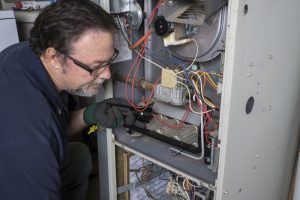 Our short answer to this is, “it’s not a bad idea!”
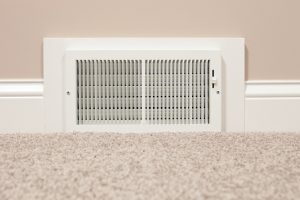 Imagine it’s the coldest day of winter, and you want into your home after a long day out to discover it’s practically no warmer inside than it was outside. Fortunately, you won’t have to deal with chilly temperatures for very much longer at the time of this blog post. But that certainly doesn’t mean you should neglect any signs you need furnace repair.
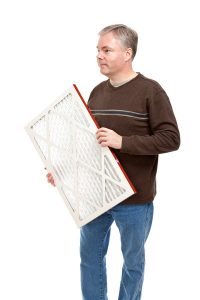 You may have heard us recommend replacing your HVAC air filter every 1-3 months. This isn’t just something we’re throwing out as a random suggestion—we are offering this advice as a way for you to get the most effective and efficient use out of your heating system as possible. And considering how much we’ve all used our heaters so far this winter, chances are you’d like to avoid problems and spending unnecessary money.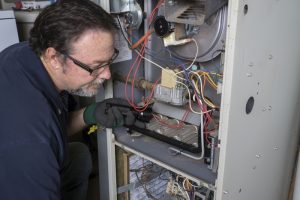
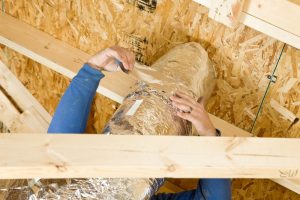 The number one reason we get the question of, “Can I install a furnace in my attic” is because the customers asking want to save space. And we get it! It is possible to do this, however, there are a number of factors to consider.
 Here in the Lawrenceville area, we tend to give a lot of attention to our air conditioning systems versus our heaters as far as HVAC issues go. This is understandable—after all, we need our air conditioners to help up combat the high heat and humidity we deal with for so long each year. But this doesn’t mean that the heater in your home is any less important than your cooling system.
 We are pretty fortunate in our area that we don’t have to deal with the severely cold temperatures that homeowners contend with throughout other parts of the country. As a result, you don’t have to worry about your heating system too much, right? However, even if our heater usage is relatively brief, don’t you want to do everything possible to save energy, and subsequently, money?
 Wouldn’t it be nice if someone could create an HVAC system that was completely noiseless? Trust us, if they invented this we’d be first in line to install them! But the fact of the matter is, you’re going to hear your furnace making noises. You’ll hear the ductwork fluctuating as temperatures change, and you’ll hear your furnace cycling on and shutting off, plus the whoosh of air coming through your vents.
 If you’re looking for a new furnace this time of year, then you understandably have a lot on your plate. And with options to consider like what fuel type to use, the AFUE vs. HSPF ratings, whether to go with electrical or gas, etc. you may be tempted to go with the first furnace that fits your budget just to get the process over with.