 The last thing you want to do as a homeowner is to pay more for your utility bills than you need to, right? Well, if you aren’t keeping up on your air conditioning maintenance each year, this is exactly what can happen! Maintenance reduces repair needs by as much as 85% throughout the lifespan of the system, and also helps the unit work more efficiently, and last longer.
That said, even with maintenance, an aging air conditioner (10-15 years old) or even a newer AC with a defect or damage of some kind, may need a repair, and it’s important that you know the signs! One of these signs is strange noises–and the one that usually alarms people the most is screeching. So what does it mean if your air conditioner is doing this?
We’ll answer the question in more detail below, but it essentially means that your cooling system’s motor needs attention from an HVAC professional. Read on as we dive into what screeching means for your AC, and explain what other sounds could mean for the system.
Continue Reading
Tags: Air Conditioning Repair, Duluth
Posted in Air Conditioning | Comments Off on “What Does It Mean if My AC is Screeching?”
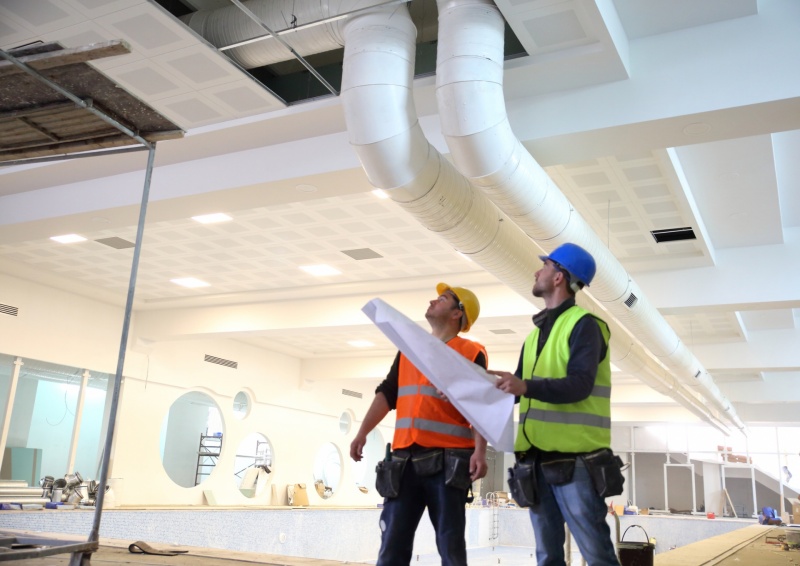
 When it comes to making sure your home is a comfortable, healthy, an safe place to be, you want to ensure that the people you’re trusting to service that home are reputable, have great integrity, and will get the job done right the first time, right? There’s no exception when it comes to HVAC installation, repair, or maintenance.
 When it comes to the weather we’re used to, our recent temperatures have been relatively cold! As such, our heaters are getting quite the workout. Hopefully, you had maintenance done this past fall, to ensure that your system works as efficiently and effectively as possible. This is the #1 way to maintain heating efficiency, actually, by scheduling tune-ups once a year if you have a furnace or boiler and twice a year if you have a heat pump system.
 Gas-powered furnaces are not inherently dangerous appliances. This is something we want to clarify right away! We aren’t looking to panic you just because you choose to heat your home with a gas-powered furnace. But like any other powerful appliance in your home that uses gas, hazards can happen if it’s not well cared for.
 Wouldn’t it be great if our air conditioners could send us a little warning when something is amiss? Like, we could get a text message to our smartphones telling us when a motor bearing needs lubrication or replacing, or when we have a refrigerant leak?
 Imagine it’s the coldest day of winter, and you want into your home after a long day out to discover it’s practically no warmer inside than it was outside. Fortunately, you won’t have to deal with chilly temperatures for very much longer at the time of this blog post. But that certainly doesn’t mean you should neglect any signs you need furnace repair.
 You may have heard us recommend replacing your HVAC air filter every 1-3 months. This isn’t just something we’re throwing out as a random suggestion—we are offering this advice as a way for you to get the most effective and efficient use out of your heating system as possible. And considering how much we’ve all used our heaters so far this winter, chances are you’d like to avoid problems and spending unnecessary money.
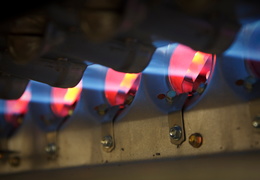 If you’re looking for a new furnace this time of year, then you understandably have a lot on your plate. And with options to consider like what fuel type to use, the AFUE vs. HSPF ratings, whether to go with electrical or gas, etc. you may be tempted to go with the first furnace that fits your budget just to get the process over with.
 What if we told you there was a way to increase your home comfort while also lowering your heating and cooling bills? There are actually a variety of simply steps you can take to boost your HVAC system’s efficiency, and with winter coming up we’re sure you’d love to know how to save on heating costs.