 The short answer to this question? It’s complicated. We know that’s not what you want to hear but it’s the truth. And as a local team of HVAC experts that’s dedicated to serving our community, we believe you deserve the truth, not an easy answer that will sell more systems. The bottom line is that a furnace is a great option for many homes, but it’s not a one-size-fits-all solution.
There are different types of furnaces. Some homes might do better with a gas furnace since they have access to a natural gas line. Other homes might fair better with an electric furnace, or even a heat pump system. We’re going to use this blog post to break down the different types of heating systems when it comes to your home comfort requirements and budget.
Let’s try to figure out which system is right for your home.
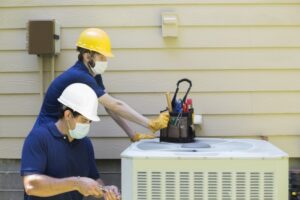 If you’ve followed our blog posts for a while now, then you might see that we mention maintenance a lot. There’s a reason for this—it’s an important service! Homeowners often think this is a “luxury” service that only people who can really afford something extra buy. But actually, maintenance is a necessity, and can save you money in the long run.
 Homeowners are even more concerned these days about the quality of the air they breathe, and for good reason. But while we are wearing masks and socially distancing in public spaces, are you do everything you can to address the quality of the air inside your own home?
 You likely already understand that there isn’t much point in getting an air conditioner that’s too small,—that is, underpowered—for your home. But did you know that, yes, an air conditioner could actually be too big—or overpowered?
 The short answer to this is “yes.” But don’t worry, we’ll elaborate below.
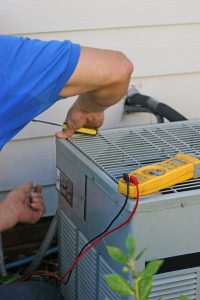 The short answer to this is “no.” It’s important that you have maintenance done for your air conditioner every year (or every 6 months, in the case of a heat pump) but frequency and consistency are more important than what time of the year you have it done.
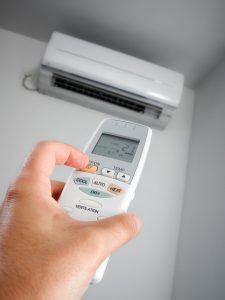 Ductless systems have been increasingly growing in popularity, and for good reason. Rather than operating through a network of ducts connected to an indoor air handler and evaporator unit, ductless units break up the indoor unit and blower fans to distribute air through handlers that operate independently of each other—meaning the temperature settings can be different for each air handler.