1. Lowering Your Utility Bills
Whether you realize it or not, your current furnace could be costing you more than it should in heating bills. If your furnace is 15-20 years old, it’s probably not heating your home as efficiently as the newer energy efficient models with higher AFUE ratings. High-efficiency natural gas furnaces typically have an AFUE rating of around 95%, which can significantly reduce energy costs. The cost of running an outdated current heating system can be higher due to inefficiency and potential costly repairs. Even if your heating system has been replaced within the last ten years, the technology has advanced enough to consider a heating replacement that offers better comfort and savings. Learn how old HVAC systems increase energy bills and why an upgrade could pay off.
2. Fewer Repairs
Repair costs can add up if you are constantly repairing your furnace. Routine maintenance for your furnace can help reduce the need for repairs, but as furnaces age, they tend to need more repairs and replacement parts. Most furnaces will require costly repairs if they are over ten years old and starting to show significant problems. If you need frequent repairs for your furnace, it may be time to replace it with a newer one. In the meantime, you can take action by improving HVAC efficiency with simple tips.Spending money on constant furnace repair or air conditioner repair can quickly add up, making heating replacement a more cost-effective energy efficient solution. When you upgrade through professional installation services, you’ll have a system that runs smoothly and reliably for years.
3. More Consistent Heat
While maintaining consistent temperatures throughout your home involves several factors, such as insulation and thermostat control, your furnace could also be the reason you aren’t getting enough heat to all parts of the house. If some rooms are colder than others, or if your heating bills have recently gone up, it may be time for a furnace replacement. Start by understanding energy use and how to save before deciding on a system upgrade. Home energy audits can identify issues with insulation, ductwork, and air leakage that affect heating system performance. Even if your new furnace is in good shape, damaged or poorly maintained ductwork can significantly reduce the efficiency and effectiveness of your energy efficient system. Dust buildup in ductwork and the overall indoor environment can be negatively affected by an aging system.
4. Safety
There’s higher potential for safety concerns with older or poorly maintained furnaces. In addition to fire hazards, carbon monoxide poisoning is another serious threat. When the heat exchanger stops working because it’s corroded or faulty, carbon monoxide can leak into the home. Signs that indicate it’s time to replace your furnace include odd noises, frequent repairs, and old age. If you’ve had your furnace for more than 20 years, it could create safety hazards that you may be unaware of. Unusual noises or strange noises coming from your furnace may indicate serious issues that cannot be repaired and may require immediate replacement.
5. 25 Months 0% Interest with 25 Equal Monthly Payments
We know some of you are waiting for a great opportunity to switch from your old inefficient heating and air conditioning system. For a limited time, we have 0% interest for 25 months (with approved credit). 25 equal monthly payments required. HVAC replacement costs in Lawrenceville typically range from approximately $3,500 to $12,000, depending on the system and installation requirements. No lengthy applications and approvals within minutes! Professional installation and service from a trusted Lawrenceville heating provider can ensure your new system is installed correctly and efficiently.
The best bet for many homeowners is to install a high-efficiency system, such as a heat pump or a natural gas furnace, to extend the life of your HVAC equipment, reduce power consumption, and save money over time.
Comprehensive home comfort also includes reliable cooling system and air conditioner installation, as well as plumbing, water heater, and electrical work services, especially before winter. Whether you are installing a new system or replacing an old one, professional service ensures your current system is upgraded for maximum efficiency and comfort.
Signs of an Inefficient Heating System
An inefficient heating system doesn’t just make your home less comfortable, it can also lead to higher energy bills, more frequent repairs, and ongoing frustration during the colder months. If you’re wondering whether it’s time to consider furnace replacement or upgrade to a new heat pump system, watch for these common warning signs:
- Rising Energy Bills: If your energy bills are steadily increasing without a change in your usage habits, your current heating system may be working harder than it should to keep your house warm. Older furnaces and outdated heat pump systems often lose efficiency over time, causing your energy costs to spike.
- Uneven Heating: Do you notice some rooms are much warmer or colder than others? Uneven heating is a clear indicator that your system is struggling to distribute heat efficiently. This could be due to aging equipment, issues with your air ducts, or a failing heat pump.
- Frequent Repairs: If you find yourself calling for furnace repair or heating system service more often, it’s a sign your system is nearing the end of its life. Frequent repairs not only add up in cost but also signal that replacement may be a smarter investment.
- System Runs Constantly: When your furnace or heat pump seems to run non-stop just to maintain a comfortable temperature, it’s likely losing efficiency. This constant operation puts extra strain on your equipment and can lead to costly repairs down the road.
- Old Age: Most furnaces and heat pumps have a lifespan of 10-15 years. If your system is approaching or has surpassed this age, it’s time to start thinking about replacement to avoid unexpected breakdowns and improve your home’s energy efficiency.
If you’re experiencing any of these issues, upgrading to a modern, energy efficient heating system or heat pump can help lower your energy bills, reduce the need for repairs, and keep your home comfortable all winter long. Don’t wait for a complete breakdown, consider furnace replacement or a new heat pump system to restore reliable, efficient heat to your home.
Types of HVAC Systems
When it comes to keeping your home comfortable year-round, choosing the right HVAC system is essential. Selecting the right home heating system is crucial for both comfort and energy efficiency. Today’s market offers a full range of heating and cooling systems, each designed to meet different needs and preferences. Here’s a quick overview of the most common types of HVAC systems you’ll find in homes:
- Furnaces (Gas, Electric, and Oil) Furnaces remain one of the most popular heating systems for homeowners. Whether you have a gas furnace, electric furnace, or oil furnace, these units heat air and distribute it throughout your house via air ducts. Most furnaces are known for their powerful heating capabilities, making them a reliable choice during the colder months. If you’re considering furnace replacement, newer models offer improved energy efficiency and can help lower your energy bills.
- Heat Pumps Heat pumps are a versatile option, providing both heating and cooling from a single unit. A heat pump system works by transferring heat in or out of your home, depending on the season. Heat pumps are energy efficient and can be a great choice for moderate climates. Many homeowners are switching to heat pumps to reduce energy costs and enjoy year-round comfort.
- Central Air Conditioning Systems Central air conditioners are the go-to solution for cooling large spaces efficiently. These systems use a network of air ducts to deliver cool air throughout your home, keeping every room comfortable during the hot summer months. If your current air conditioning system is struggling to keep your home cool, upgrading to a new system can make a noticeable difference in comfort and energy savings.
- Ductless Mini-Split Systems Ductless mini-split systems offer flexible heating and cooling without the need for extensive ductwork. These systems are ideal for homes with additions, older houses without existing ducts, or spaces that need targeted temperature control. Mini-splits are energy efficient and can help address issues like uneven heating or cooling in specific rooms.
- Packaged HVAC Systems Packaged systems combine heating and cooling components into a single outdoor unit, saving space and simplifying installation. These systems are often used in homes with limited indoor space or where a streamlined solution is needed.
No matter which type of HVAC system you choose, professional installation services and routine maintenance are key to ensuring your equipment runs efficiently and reliably. If you’re unsure which system is best for your home, a trusted HVAC company can help you evaluate your options and find the perfect fit for your needs. With Lawrenceville covered for all your heating, cooling, and electrical services, you can count on expert advice and quality installation every step of the way.
Frequently Asked Questions
Question: What are the top reasons to replace an inefficient HVAC system now?
Answer: Key reasons include lowering your utility bills, reducing frequent repair costs, achieving more consistent heating or cooling, addressing safety issues (like risk of carbon monoxide), and taking advantage of special financing offers.
Question: How does replacing improve energy savings?
Answer: Older HVAC systems are less efficient, so replacing with a modern, high‑efficiency unit helps you use less energy to heat or cool the same space — which cuts your utility bills.
Question: What safety concerns arise from old HVAC systems?
Answer: Aging systems can develop cracks in heat exchangers, causing carbon monoxide leaks or other hazards. Replacing the system reduces that risk and helps ensure safe operation.
Question: How does a new system affect consistency of heating or cooling?
Answer: New units perform better across zones and maintain even temperatures throughout the home. If some rooms are colder or warmer than others now, replacement can help balance comfort more reliably.
Call Karen or Deb at 770-736-5207 today!
Continue Reading
Tags: furnace, HVAC installation, HVAC Services
Posted in Air Condition Replacement, Air Conditioning, Energy Savings, Furnace Replacement, Heat Pump Systems, Heat Pumps, Heating, System Replacement | Comments Off on 5 Reasons That NOW is the Time to Replace Your Inefficient HVAC System
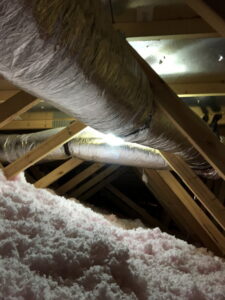 It would be a challenge for you to find a homeowner in our area who doesn’t care how efficiently their air conditioner operates. Given how much of our cooling that we use every year, it makes sense that when the time comes to start using it again in the spring, we want to do so as affordably as possible.
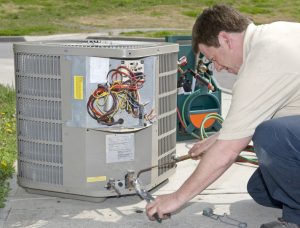 When you live in a climate as hot and humid as ours, there’s no exception to the fact that you need an efficient and effective air conditioner to stay comfortable and healthy. Also, you need that system to work flawlessly day in and day out, season after season.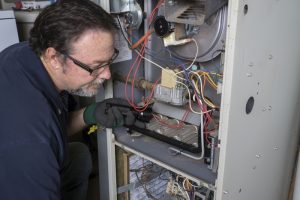
 What if we told you there was a way to increase your home comfort while also lowering your heating and cooling bills? There are actually a variety of simply steps you can take to boost your HVAC system’s efficiency, and with winter coming up we’re sure you’d love to know how to save on heating costs.
 The short answer to this is “yes.” But don’t worry, we’ll elaborate below.